
Routes between the two countries will see more flights and new airlines operating in a year marked by major events and opportunities for bilateral exchange
By Pedro Augusto
Tourism is emerging as one of the main drivers bringing Brazil and Canada closer in 2026. Two major events—the Brazilian Carnival and the FIFA World Cup, which will feature matches played on Canadian soil—combined with expanded air connectivity between the two countries, are expected to increase the flow of travelers in both directions and strengthen a relationship that goes beyond traditional business ties.
Data from Embratur (the Brazilian Tourism Board) indicate that Canada is a growing outbound market. In 2025, more than 103,000 Canadians visited Brazil, an increase of 6.86% compared to 2024. This growth comes at a time when Canadian tourists stand out for their high purchasing power, long average stays, and interest in cultural, gastronomic, and urban experiences—a combination that benefits a wide range of Brazilian destinations.
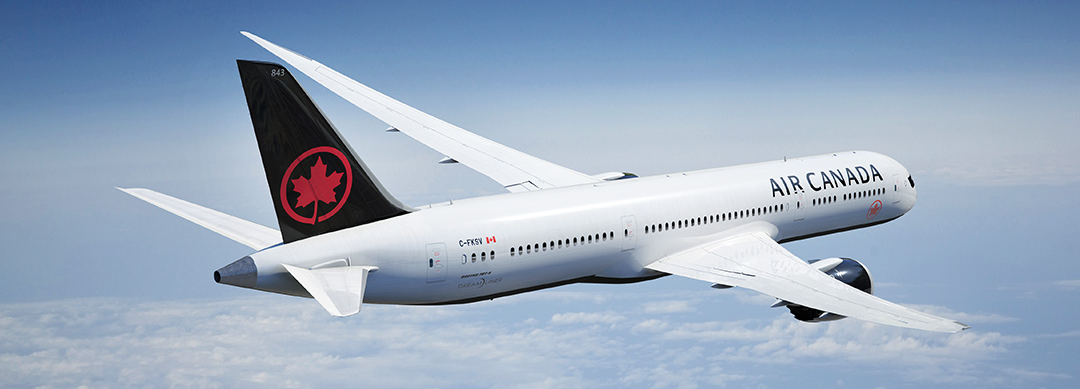
This year, growth in passenger traffic is also expected to be driven by expanded air connectivity between the two countries. Air Canada has confirmed the return of a historic route between Toronto and Rio de Janeiro, reinstated after nearly a decade. The airline resumed direct flights to Rio de Janeiro’s Galeão International Airport after suspending the route in 2016, following the post-Olympics period.
According to the company, the new air connection, combined with seasonal expansion in Latin America, will increase capacity by 16% compared to the previous year. For Rio de Janeiro, flights operate three times a week using the Boeing 787-9, equipped with business, premium economy, and economy classes, on a journey lasting approximately 10 hours and 35 minutes. Economy-class fares start at around CAD 981 (approximately BRL 3,807) on the Toronto–Rio route. Premium Economy costs about CAD 2,155 (BRL 8,356), while business class, featuring fully lie-flat seats, can reach CAD 5,905 (BRL 22,905).
In the opposite direction, from Rio to Toronto, prices start at CAD 543 (BRL 2,106) and can reach CAD 4,841 (BRL 17,782) in the most comfortable class. Currently, Brazil is Air Canada’s largest market in South America. According to company data, approximately 110,000 passengers were transported between the two countries in 2024 through regular flights from São Paulo to Toronto and Montreal.
In addition to Air Canada, Canadian airline WestJet announced an unprecedented expansion of its network to Brazil. The company will launch a direct flight between Calgary, in western Canada, and São Paulo’s Guarulhos International Airport. The operation is scheduled to begin in the last quarter of the year and is expected to facilitate connections to more than 30 destinations in South America through partnership agreements.
Air Transat will also make its debut in the Brazilian market, focusing directly on the Rio de Janeiro–Canada corridor. The airline announced direct flights from Tom Jobim International Airport (Galeão) to Toronto starting February 4, and to Montreal starting February 5, with weekly frequencies. One key element of the strategy is a commercial partnership with Brazilian airline GOL Linhas Aéreas, which will allow Canadian passengers to connect to 82 destinations in Brazil and South America via Rio de Janeiro.
Major events drive tourism
The launch of flights in February is strategic. Brazilian Carnival remains one of the country’s main showcases abroad and a powerful magnet for international tourists. In Rio de Janeiro, the festivities turn the city into one of the world’s largest tourist hubs between February and March, featuring parades at the Marquês de Sapucaí Sambadrome, hundreds of street parties, and an intense cultural agenda spread across areas such as Copacabana, Barra da Tijuca, and the Historic City Center.
Market expectations point to high hotel occupancy rates and increased average spending per foreign visitor, in line with Embratur data from Carnival 2025, when approximately 38,000 Canadian tourists arrived in Brazil during the festive period. Beyond Rio, the carnivals of São Paulo, Salvador, Recife, Olinda, and Belo Horizonte are also among the most sought-after destinations for international visitors. According to the institute, Canadian tourists stay an average of 23 nights in Brazil, with a preference for sun-and-beach destinations combined with cultural and gastronomic experiences.
In the opposite direction, this year’s World Cup—co-hosted by Canada, the United States, and Mexico—is expected to firmly place Canada on the radar of Brazilian travelers. Cities such as Toronto, which will host matches at BMO Field, and Vancouver, where BC Place will host games involving the host nation and other confirmed teams in the tournament, are set to establish themselves as hubs for sports, urban, and cultural tourism throughout the event.
According to CEIC Data, an international economic and statistical data platform, Canada welcomed more than 91,000 Brazilian visitors for tourism purposes in 2024. Market estimates published by international World Cup planning guides indicate that a Brazilian trip to North America to follow the tournament may involve total expenditures ranging from US$2,000 to US$5,000 (between BRL 10,640 and BRL 26,600), including airfare, accommodation, food, local transportation, and match tickets.
Beyond the matches, Canadian destinations offer attractions that can extend visitors’ length of stay, such as multicultural gastronomy, renowned museums, urban parks, and natural areas—such as the Toronto Islands and Stanley Park in Vancouver—as well as proximity to wine regions and striking natural landscapes.