
Photo: Ricardo Stuckert / PR / Agência Brasil
CCBC helps foster business between local and Canadian entrepreneurs
By Marcelo Picolo
With the strengthening of its local economy and increasing investments in innovation, sustainability, and infrastructure, Ceará is poised to make history in the coming years. The state has been standing out in Brazil thanks to a series of strategic developments that create opportunities in various markets, such as renewable energy, tropical fruits, seafood, nuts, footwear, and handicrafts. At this moment, the internationalization of brands has become a regional government priority—without losing sight of opportunities arising from foreign companies looking to establish themselves in the state.
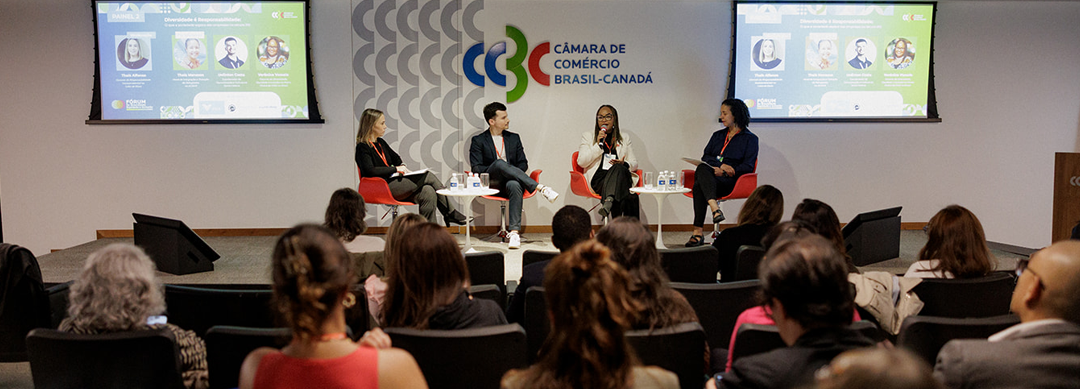
To support this, an institutional agent is playing a key role for producers and service providers in this region of Northeast Brazil. It’s the Ceará Chapter of the Chamber of Commerce Brazil-Canada (CCBC), a business hub inaugurated in December 2024, located in Fortaleza, which helps entrepreneurs build commercial partnerships with Canadian counterparts.
In addition to attracting investments to the state, the office also helps local companies understand and access the Canadian market, offering support in business practices, legislation, corporate culture, and obtaining the certifications required in Canada. The goal is to reduce barriers and shorten the path for those seeking to internationalize their products or services. The clean energy, technology, infrastructure, foreign trade, and tourism sectors are among the focus areas for bilateral business development between the two nations.
According to Igor Gonçalves, coordinator of the Ceará Chapter, having a physical office in the state capital is more than symbolic. “It’s a catalyst for connections, business, and joint solutions to global challenges such as decarbonization and economic inclusion,” he said. “Ceará is currently experiencing a rare level of institutional maturity, with strong infrastructure and legal security to receive top-tier investments. It’s a state ready to become a long-term partner for Canada in strategic areas such as green hydrogen and the blue economy (the sustainable use of ocean and coastal resources to drive economic growth),” he added.
Energy
With 88% of its energy generated from renewable sources—the highest rate among G20 countries—Brazil is emerging as a global leader in clean energy, with Ceará as one of its key players.
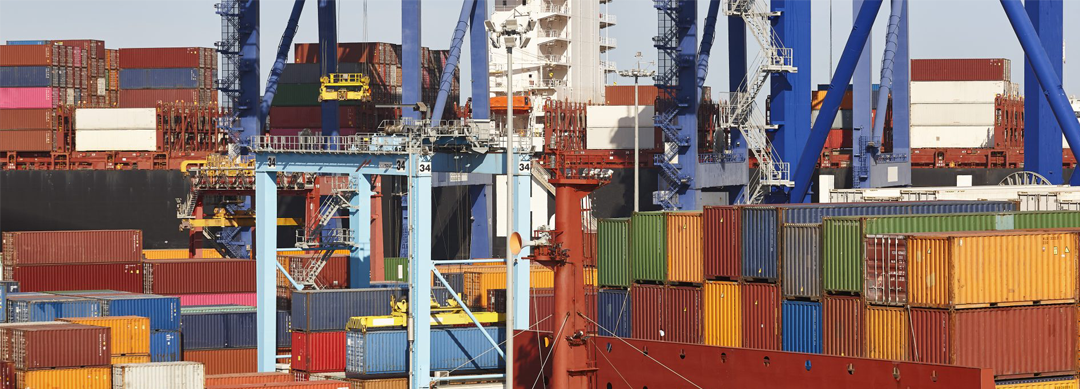
The state is home to 25 of Brazil’s 98 offshore projects currently undergoing environmental licensing, totaling 64.3 GW in offshore wind capacity. In addition, the Port of Pecém, which operates as an Export Processing Zone (ZPE), offers unique advantages for exporting green hydrogen. Ceará has already signed more than 30 memorandums of understanding with global companies such as Fortescue (Australia), Qair (France), and AES (USA).
“Ceará also stands out for offering an ideal environment for foreign investors, especially in the energy sector. We have a potential of 356 GW in offshore wind energy and a port connected to major global routes, including New York and Rotterdam,” says Igor.
Beyond energy, the state is also emerging as a logistics and technology hub. Fortaleza is connected to 16 undersea fiber-optic cables, making it the largest data hub in South America, attracting international data centers and boosting its innovation and IT ecosystem.
Technology and other sectors
The state also stands out for its competitive advantages in sectors such as agri-tech, which has been implementing innovative solutions for farming in semi-arid regions. Additionally, sustainable tourism—driven by Ceará’s coastline—has been attracting Canadian travelers and presents a promising opportunity for investment in the hospitality sector. The region’s creative and cultural economy is also a reference in Northeast Brazil, with a strong emphasis on local handicrafts, gastronomy, and music.
“Canada is looking for partners with stability, governance, and purpose. Our role at the Chapter is to ensure these connections go beyond paper and materialize into real projects, jobs, and innovation,” Gonçalves emphasizes.