With R$525.4 billion in projected private investment through 2029, the sector offers opportunities for Canadian companies in transportation, sanitation, energy, and logistics
By Pedro Augusto
Brazil’s infrastructure sector is expected to attract R$525.4 billion in private investment between 2025 and 2029, according to projections by the Brazilian Association of Infrastructure and Basic Industries (ABDIB), compiled in a study by the Market Intelligence team at the Chamber of Commerce Brazil-Canada (CCBC). This investment, from both domestic and foreign sources, creates opportunities for Canadian capital, technology, and services.
The expansion cycle is already underway. In 2025, investment in the sector totaled approximately R$280 billion, more than 80% of which came from private sources. The CCBC study serves as the basis for a six-article series in News CCBC exploring sectors of the Brazilian economy with growth potential and opportunities for business relations between Brazil and Canada. Infrastructure opens the series.
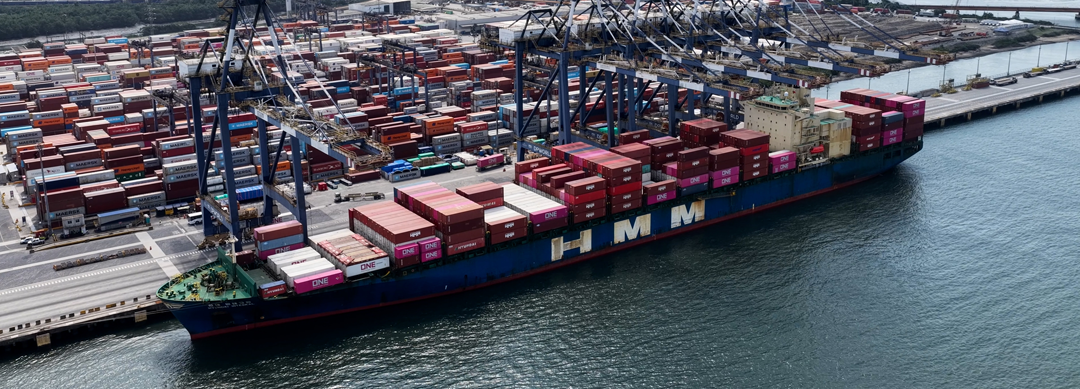
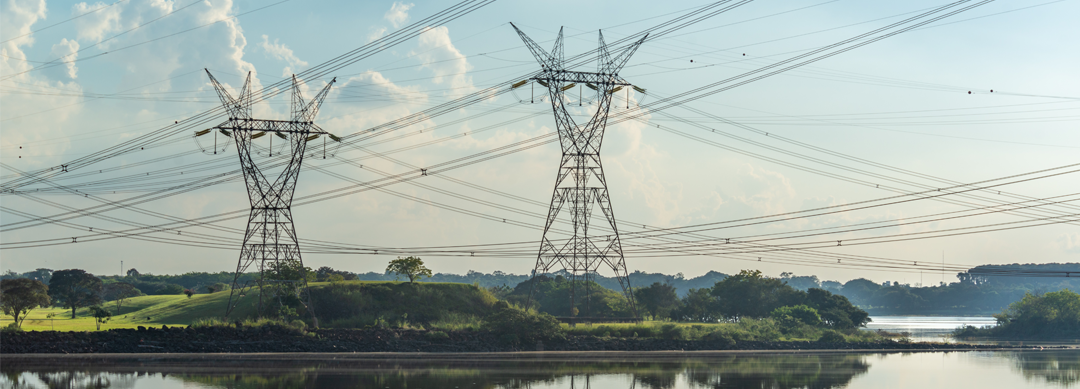
ABDIB’s infrastructure investment pipeline projects R$220.5 billion for transportation, R$143.6 billion for sanitation, R$110 billion for electric power, and R$43 billion for telecommunications.
Concessions and modernization expand opportunities
According to Mariana Nascimento, coordinator of the CCBC Infrastructure and Investment Committee, Brazil is experiencing a promising period for concessions, retrofits, and process modernization.
Among the segments with the greatest potential, she highlights sanitation, energy, and logistics. In sanitation, opportunities include water treatment, centralized management, and telemetry. In energy, the focus is on the energy transition, distributed generation, storage, and distribution grid modernization. In transportation and logistics, demand centers on operational efficiency, decarbonization, and fleet digitalization.
The project pipeline confirms the scale of this market. Brazil’s Ministry of Transport estimates R$396 billion in opportunities across 35 new highway concession projects over the next four years. In sanitation, projects already awarded or being structured by the Brazilian Development Bank (BNDES) have the potential to generate approximately R$154 billion in investment.
“Canada has a profile that is highly aligned with governance, ESG, and long-term investment,” says Mariana. According to her, opportunities exist both in concessions and auctions and in the provision of specialized solutions.
Technology as a bridge between the two markets
Beyond participating in major projects, Canadian companies can contribute to Brazil’s infrastructure value chain through technology, engineering, and specialized services.
Opportunities include digital solutions for carbon inventories, environmental impact monitoring, energy efficiency, and the use of artificial intelligence and data analytics for predictive asset maintenance. There is also room for consulting services in project management, financing, and the ESG transition.
For Mariana, closer ties between the two markets can also emerge from combining Canadian technologies with solutions developed in Brazil. “One partnership model I recommend is the complementarity of solutions, in which new technology is integrated into a domestic solution for market entry, delivering mutual benefits,” she says.
The CCBC Infrastructure and Investment Committee brings companies from both countries together through business missions, regulatory discussions, business matchmaking sessions, and the exchange of best practices. For the coordinator, the committee serves as a “strategic bridge and facilitator” for turning opportunities into partnerships.