US$3 billion trade surplus reflects US$5.7 billion in Brazilian exports and US$2.7 billion in imports; bilateral trade grew 13% compared with the same period in 2025
By Pedro Augusto
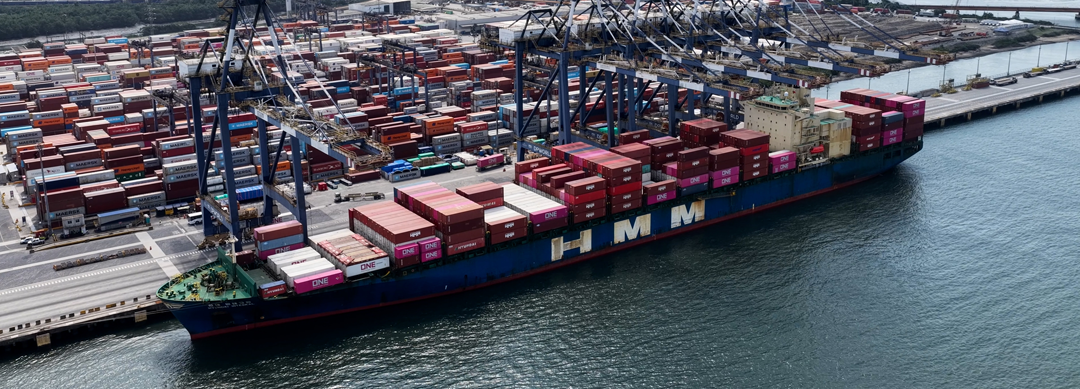
Brazilian exports to Canada reached a record high between January and September 2026. Sales totaled US$5.69 billion, up 12.1% from the same period in 2025, which had previously held the record for the period. Imports of Canadian products also increased by 14.9%, indicating continued momentum in bilateral trade. The figures come from Quick Trade Facts (QTF), the quarterly report published by the Chamber of Commerce Brazil-Canada (CCBC).
Export value exceeded the previous record, set in 2025 at US$5.08 billion, by US$614 million, confirming the upward trend. Over two years, Brazilian sales to the Canadian market have grown by approximately 28%. Import growth has also been noteworthy. Purchases more than doubled compared with the January-to-September period last year, when growth had already reached 7%.
Trade between Brazil and Canada totaled US$8.41 billion in the first nine months of 2026, a 13% increase over the same period last year. Brazilian imports of Canadian products reached US$2.72 billion. As a result, Brazil maintained a positive trade balance of US$2.97 billion in bilateral trade.
The CCBC’s latest report also highlights raw gold as the leading Brazilian export to the Canadian market. Exports of gold bullion reached US$3.06 billion through September, up 47% from 2025. The commodity accounted for 53.8% of Brazil’s total exports to Canada, compared with 41.1% a year earlier, amid international economic and geopolitical uncertainty and increased demand for assets considered safe havens.
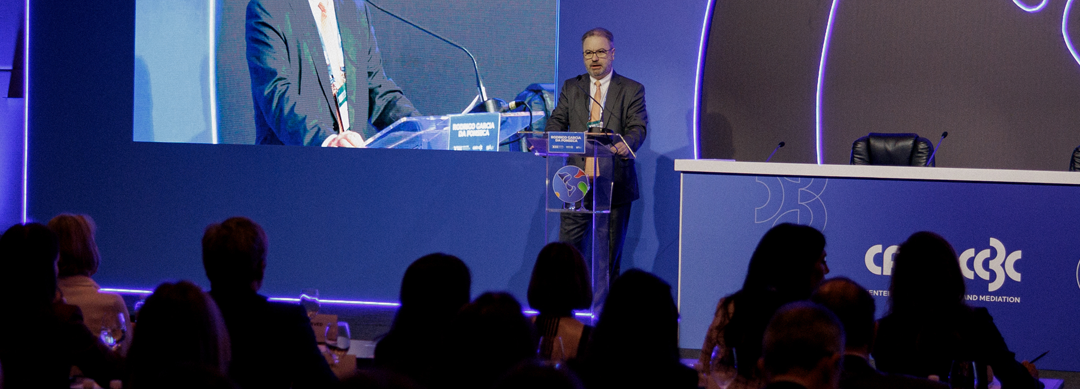
“Trade performance between Brazil and Canada underscores the importance of the bilateral partnership amid international uncertainty. While demand for gold drives Brazilian exports, increased purchases of fertilizers and other Canadian products demonstrate the complementarity between the two economies and the opportunities to deepen this relationship,” says Hilton Nascimento, President of the CCBC.
Beef emerges as a key brazilian export
In addition to gold, increased sales of beef, wheel loaders, and aviation kerosene contributed to Brazil’s export performance. Boneless frozen beef recorded the strongest growth among the leading export products, surging 828% compared with the same period in 2025 to US$76.5 million. This figure is particularly significant because Brazilian beef sales to China, a major buyer, declined in 2026. Canada was among the countries that significantly increased purchases, helping partially offset weaker Chinese demand.
This performance contrasts with declines in products traditionally important to bilateral trade. Exports of calcined alumina fell 28% to US$858.8 million, while cane sugar sales declined 25% to US$251.5 million. Green coffee exports fell 20% to US$172.8 million.
Growth in other products helped offset some of these declines. Wheel loader sales rose 80% to US$55.8 million, while aviation kerosene exports increased 83% to US$39.4 million. The results were also supported by higher exports of industrial equipment, including turbojet engine parts and machining centers.
Fertilizers lead brazilian imports
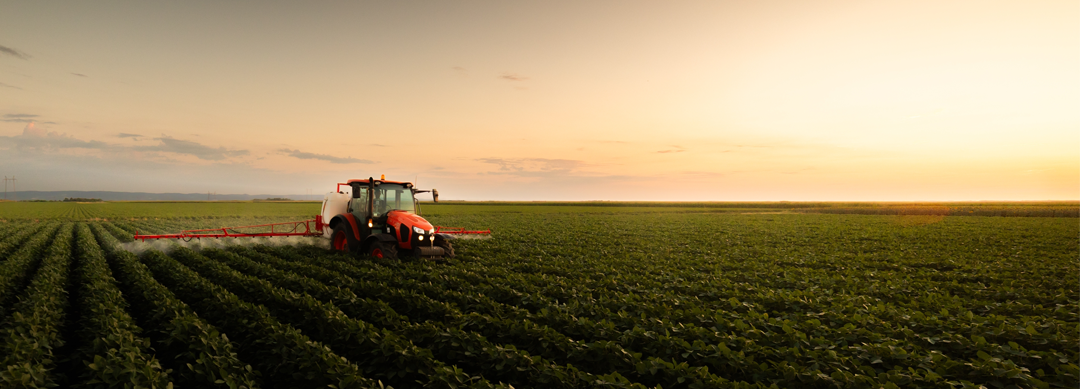
Among Brazilian imports from Canada, fertilizers maintained their leading position. Purchases of potassium chloride totaled US$1.41 billion through September, up 14.5% compared with the same period in 2025. The product accounted for 51.9% of Brazil’s total imports from the Canadian market.
According to the CCBC’s analysis, ongoing disruptions to global fertilizer supply chains could benefit suppliers with substantial production capacity and less dependence on external inputs, such as Canada. In addition to fertilizers, Brazil increased its purchases of turbojet engines, helicopters, medicines, bituminous coal, and agricultural machinery, reflecting the importance of industrial, chemical, and aerospace products in its import mix.
Imports of turbojet engines with a thrust exceeding 25 kN rose 61.4% to US$195.4 million, while purchases of helicopters weighing up to 2,000 kg increased 83% to US$68.3 million. In the pharmaceutical sector, imports in one of the main medicine categories rose 35.7% to US$63 million.
Another factor that could contribute to the increase in Brazilian purchases is exchange rate performance. The appreciation of the Brazilian real against the US dollar and the Canadian dollar throughout 2026 has increased Brazilian purchasing power and tends to make imported products more competitive in the domestic market.