By Quebec Office in São Paulo*
“With Canada and all our international partners, it is possible to build a more positive future, even in an increasingly uncertain world.”[i]
Aware of the risks associated with a volatile global context—marked by geopolitical, economic, and technological shifts—the Quebec government has launched a new economic policy to respond swiftly and in a structured manner to current challenges.
The new U.S. tariff policy highlights a growing issue: Quebec’s economic dependence on the American market, both in exports and imports. This relationship creates adverse effects on investment, business modernization, and the functioning of supply chains, with impacts that extend beyond the sectors directly affected by tariff increases. In response, the government has defined four economic priorities:
- Increase renewable energy production, doubling supply by 2050;
- Leverage strategic opportunities in defense, security, and critical minerals;
- Support small and medium-sized enterprises and develop new markets;
- Make the State more flexible, efficient, and productive.
Beyond recognizing challenges, Quebec is building on its strengths. Due to its geography, the province serves as a transit hub connecting Canada to Europe and the rest of the world, with a network of 20 commercial ports that are essential to its economic development. This is complemented by an international network built over 60 years, fostering trust in 34 strategic locations such as São Paulo, Mexico City, and Bogotá. These assets support a robust economy, with leading sectors including aerospace, energy, life sciences, clean technologies, and artificial intelligence.
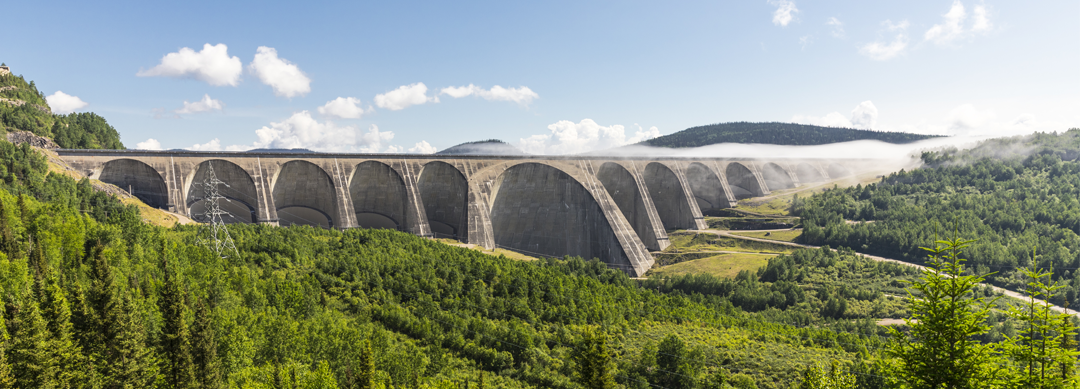
Energy is the backbone of any economy, and Quebec holds a competitive advantage: most of its electricity production is renewable, accounting for half of the territory’s energy supply. Its main asset is Hydro-Québec, the country’s largest electricity producer and distributor, with significant generation and storage capacity.
In addition to hydropower, Quebec is expanding its wind, solar, and other renewable sources (such as biomass and waste-based bioenergy). By 2035, the province plans to diversify electricity production through:
- Expansion of dams and construction of its first pumped-storage facility;
- Large-scale wind farms;
- Energy efficiency and conservation programs;
- Expansion of solar energy through small-scale plants and installation of panels for more than 125,000 customers.
Energy development represents an opportunity to create sustainable prosperity through new value chains and the consolidation of existing ones. Quebec plans to invest in an unprecedented expansion of its electricity capacity through 2050.
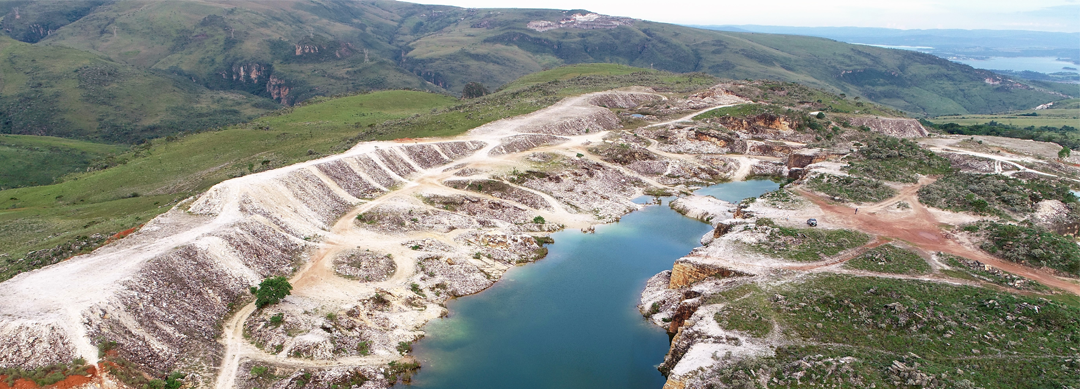
Critical and strategic minerals (CSMs) are another pillar of the economic policy. Essential to the global technological transition, they place Quebec in a favorable position due to its resource abundance, institutional stability, and strengthening of processing activities. CSMs are a strategic asset that can serve as leverage in trade negotiations, as well as in the development of provincial infrastructure (roads, railways, and ports).
Market diversification is a vital and indispensable requirement for the growth of small and medium-sized enterprises. Quebec’s extensive and longstanding paradiplomatic network is being mobilized to foster new markets and partnerships. In this context, dynamic markets such as Brazil are of particular interest in areas such as transportation and logistics, mining, and agricultural technologies—alongside Brazil’s expertise in hydropower generation.
In addition to strengthening existing agreements, the Quebec government will focus on:
- Developing new Quebec-based economic champions by fostering local supply chains that benefit small and medium-sized enterprises;
- Defending Quebec’s access to the U.S. market and renegotiating the Canada–United States–Mexico Agreement;
- Reinforcing strategic infrastructure, particularly in transportation, to support production, processing, and exports, as well as to ensure digital sovereignty.
At the same time, the government is pursuing a significant reduction in bureaucracy to simplify the business environment and accelerate the execution of major strategic projects. Recognizing that excessive bureaucracy undermines productivity, it aims to create faster approval processes for large-scale projects without compromising the rigor of assessments.
The Quebec government recognizes that the world is entering a new era—more volatile and uncertain. This newly unveiled economic vision is designed to help the province thrive in such an environment, remain agile, leverage its resources, and seize opportunities in the economy of the future.
[i] “Le Pouvoir québécois”, 2025, – Ministry of the Executive Council of Quebec
*This text does not necessarily reflect the opinion of CCBC and is the sole responsibility of the author who signs this content