Former bank of England governor plans to cut tariffs and invest in supply chains
By Pedro Augusto
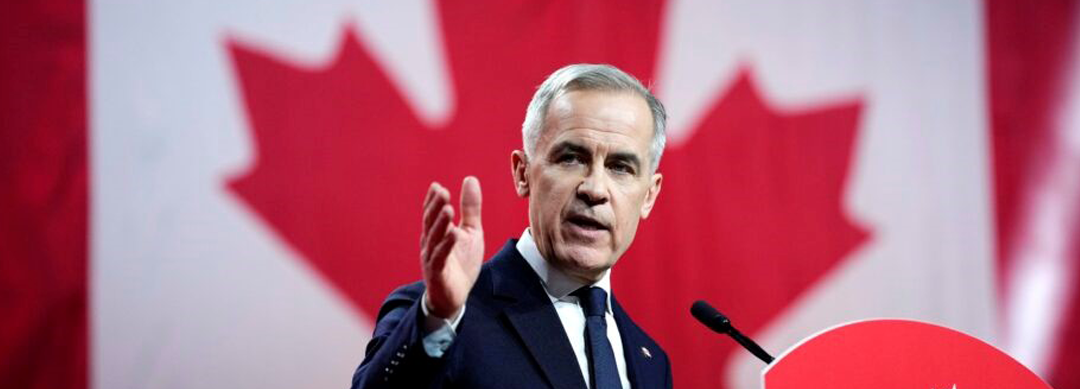
The Liberal Party of Canada has won the federal elections, securing Mark Carney’s first official term as Prime Minister. His victory comes just six weeks after he temporarily stepped in following Justin Trudeau’s departure. The new head of government supports strengthening strategic sectors of the economy, including the automotive and steel industries.
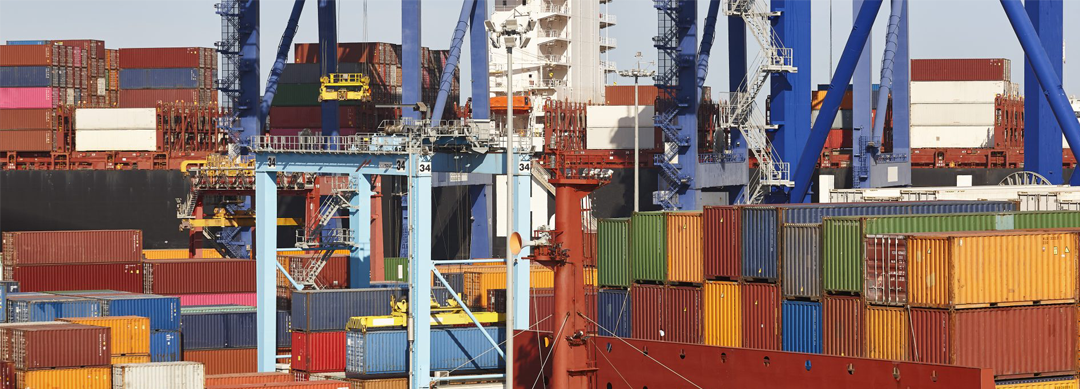
His plan includes lowering customs tariffs and investing in supply chains threatened by U.S. President Donald Trump’s trade policies. Carney also proposes overhauling Canada’s carbon tax — lowering the burden for consumers and small businesses while raising it for large corporations.
Though new to electoral campaigns, Carney brought extensive crisis management experience from his leadership roles at the central banks of Canada and the United Kingdom. His economic and institutional platform gained momentum in contrast to Trump’s aggressive rhetoric — which at one point included public suggestions of annexing Canada.
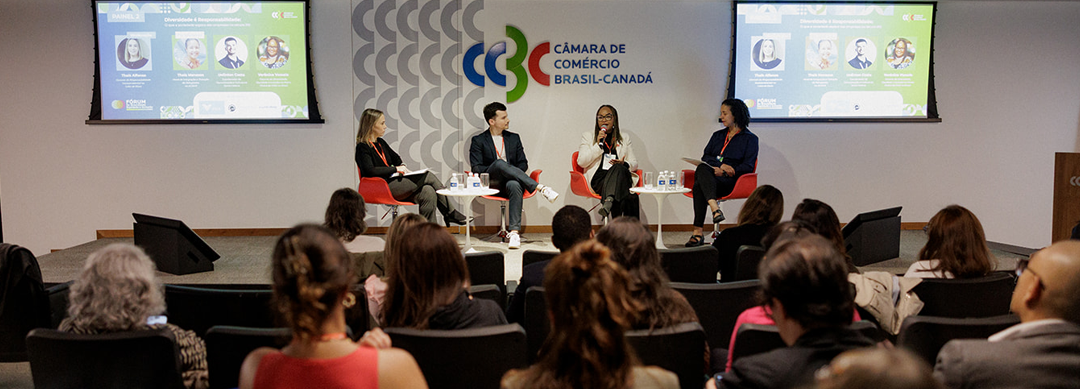
Trump imposed tariffs on imported goods from several countries, including Canadian steel. Regarding the potential impact of these measures, Hilton Nascimento, President of the Brazil-Canada Chamber of Commerce (CCBC), told Times Brasil CNBC in April that the 25% tariffs on Canadian imports could affect the country’s automotive supply chain — with repercussions for the U.S. as well. “When you raise tariffs on the auto industry, which assembles cars in Canada, you’re also increasing the cost for the American market. It’s not good for anyone,” he explained.
On the Café Garin podcast — a collaboration between CCBC’s Economic Affairs Commission and Garín Multi Family Office — Brazilian journalist Caio Blinder, a U.S.-based political and economic analyst, discussed the reasons behind Carney’s win.
According to Blinder, Trump’s expansionist remarks were just as damaging to Canadian pride as the tariffs. “Suddenly, the president of your closest neighbor says Canada should be the 51st U.S. state. Even Trump supporters said, ‘That’s not funny anymore,’” he noted. “Carney won with a message that said: ‘Trump, we’ve got issues, let’s talk tariffs — but treat us with respect,’” Blinder added.
Blinder pointed out that Trudeau’s Liberal Party had been trailing by 20 points in the polls before Trump’s tariffs and expansionist statements. “The Liberals were considered out of the race, and they won by simply saying: ‘Trump, we have problems to solve, but stop this nonsense about turning Canada into a U.S. state.’”
The full interview with Caio Blinder on the Café Garin podcast is available via this [link]. The conversation was hosted by Eliana Pagani, CEO and partner at Garín Multi Family Office, CCBC board member, and head of the Chamber’s Economic Affairs Commission.
Who is Mark Carney?
Born in Fort Smith, Northwest Territories, and raised in Edmonton, Alberta, Carney comes from a family of educators. As a young man, he stood out as an ice hockey goalie — a nod to his Canadian roots. He earned his economics degree at Harvard and completed a master’s and doctorate at Oxford. He worked for over a decade at Goldman Sachs, with postings in London, Tokyo, New York, and Toronto.
Carney joined the Bank of Canada in 2003 and became its governor in 2008, during the Great Recession, gaining widespread recognition for his actions to stabilize the economy. His performance led to his appointment as Governor of the Bank of England — the first non-British national to hold the post. There, he navigated major challenges including Brexit, warning of the risks of the UK’s departure from the European Union.
After stepping down in 2020, Carney focused on climate action, serving as the United Nations Special Envoy on Climate Action and Finance, advocating for the transition to a low-carbon economy.