With trade between Brazil and Canada on the rise, the CCBC event served as a platform for strategic discussions aimed at further boosting business relations between the two countries
By Pedro Augusto
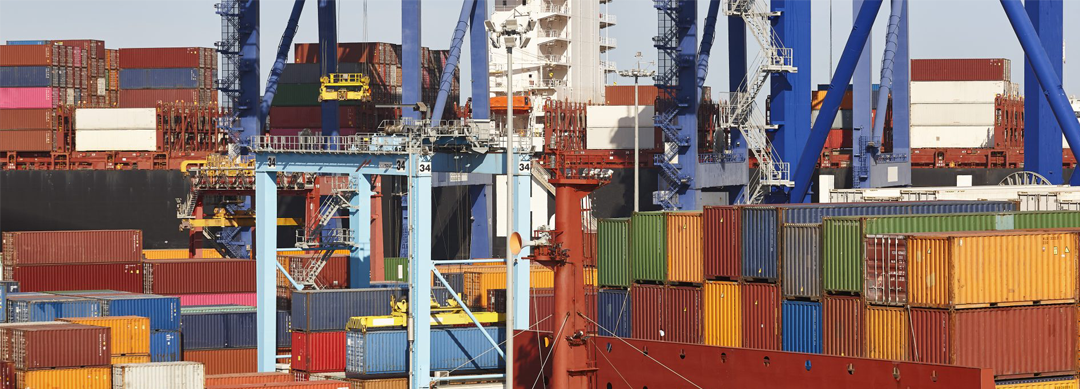
Trade between Brazil and Canada continues to grow steadily. In the first four months of 2025, Brazilian exports to the North American country reached USD 2.38 billion, a 40% increase compared to the same period last year. This progress has demonstrated to business owners working to internationalize their brands that the relationship between the two countries is becoming increasingly solid and promising for those who know how to invest. It was precisely to highlight this topic that public officials, entrepreneurs, and economic experts gathered for the 3rd Brazil-Canada Economic Forum.
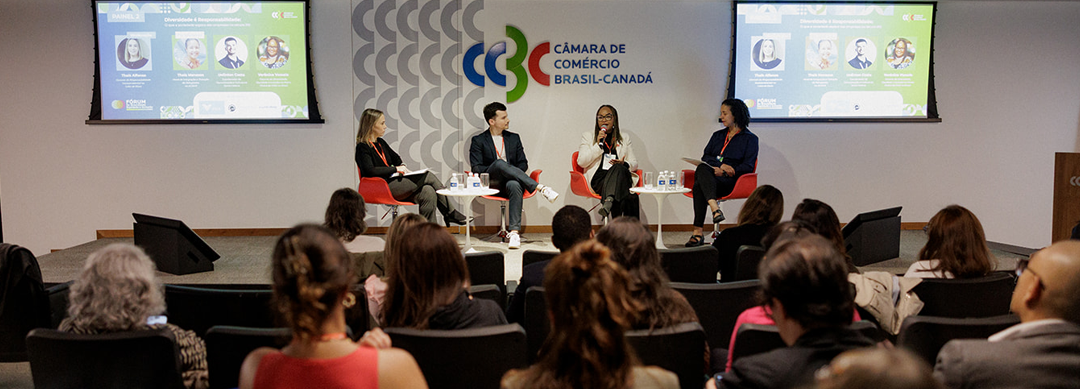
The event took place on May 15 at the amphitheater of the Chamber of Commerce Brazil-Canada (CCBC) and drew a large audience. The atmosphere was marked by seriousness during the presentations and panel discussions, and a relaxed tone during networking sessions held between the panels.
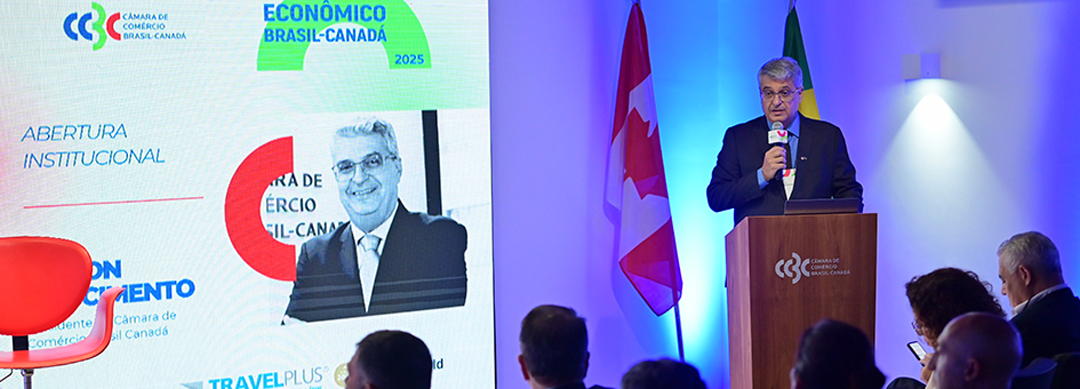
Opening the event, Hilton Nascimento, CEO of CCBC, emphasized the Chamber’s role in promoting bilateral cooperation and the Forum’s contribution to strategic discussions focused on attracting investments in sustainable infrastructure and responsible, innovative practices.
“We are an independent association that has been fostering the strengthening of bilateral relations between the two countries for over 50 years in various areas such as trade, culture, and education,” he recalled. CCBC brings together over 130 companies from diverse sectors and operates through thematic committees and research to drive business opportunities. “The Forum promotes healthy debate that draws strong interest from entrepreneurs seeking international expansion and from government representatives,” he added.
Brazil’s ambassador to Canada, Carlos França, also addressed the growing trade relationship, highlighting sectors such as agribusiness, defense, aerospace, and satellite technology as areas of emphasis.
He stressed the need to diversify international trade and called for the resumption of negotiations on a free trade agreement between Mercosur and Canada. França further stated that governments must ensure a stable business environment, while the private sector must demonstrate its ability to navigate the uncertainties of a globalized market.
“In business, the entrepreneurial spirit and the resilience of those who see uncertainty as opportunity must prevail, always with a future-oriented vision and a focus on integrating global value chains,” he said.
Canada’s ambassador to Brazil, Emmanuel Kamarianakis, reinforced the importance of collaboration between the countries, emphasizing the need for collective effort to tackle global changes. “It is essential to strengthen cooperation to overcome shared challenges by leveraging economic and technological complementarities to create a favorable environment for investment, innovation, and sustainable development.”
Economist Zeina Latif—keynote speaker, economic consultant, professor, and columnist for O Globo—presented an overview of Brazil’s macroeconomic landscape during her speech. She addressed the challenges of sustainable growth and the implications of the country’s new tax framework.
She also highlighted Brazil’s achievements, such as the consolidation of the Real Plan, and called for greater ambition, stressing the urgency of reforms and the need for a differentiated public policy approach to address future challenges. “I don’t believe we’ll find solutions to our needs outside of politics,” she noted.
Other discussions included experts and private sector representatives who tackled key issues related to competitiveness and economic development. Topics included the impact of the B20’s recommendations—the global business forum that facilitates dialogue between business communities and governments of the G20 nations.
Panels also addressed the need to align business priorities with global agendas on sustainability and digitalization, as well as the challenges and opportunities brought about by geopolitical shifts.
Participants included Márcia Nejaim (ApexBrasil), Celso Luis Lara Macedo (Farmers Edge), Ailtom Nascimento (Stefanini Group), Luís Fernando Simões (ZPE Ceará), Débora Neves (Progesys Latam), João Guillaumon (Auren Energia), José Luiz Pimenta Jr. (BMJ Consultoria), Jason Naud (Government of Québec), Monica Busch (Export Development Canada – EDC), and Flávio Mota (BNDES).
The 3rd Brazil-Canada Economic Forum was sponsored by Brookfield Investimentos and Travel Plus Turismo. Renato Aureliano, CEO of Travel Plus, highlighted the event’s relevance for networking and product promotion, emphasizing the company’s goal of helping businesses reduce corporate travel costs. “We’re here to support entrepreneurs,” he emphasized.